SUCROSE
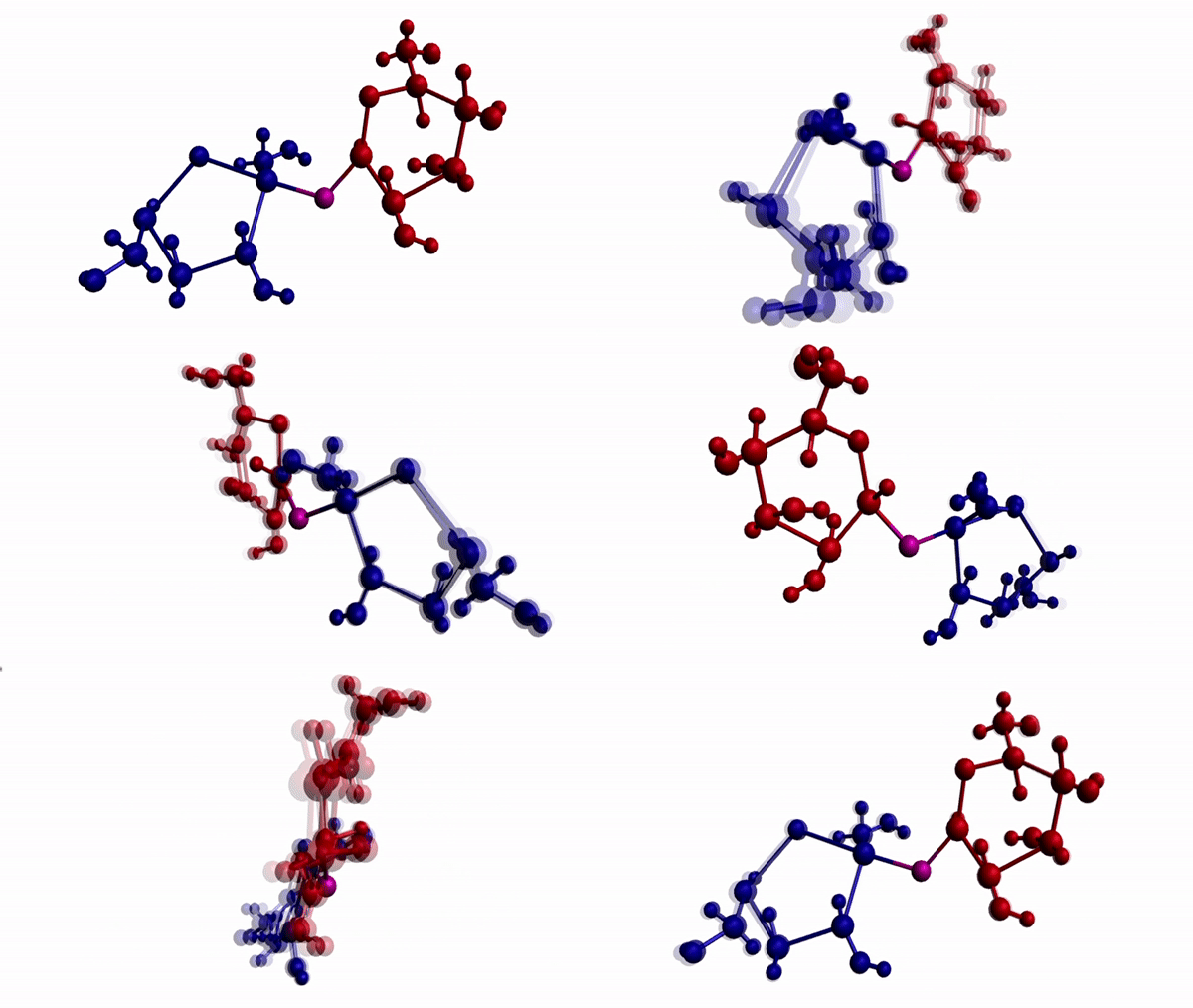
Sucrose is a molecule composed of two monosaccharides, namely glucose and fructose. This non-reducing disaccharide has a chemical formula of C12H22O11. Sucrose is commonly referred to as table sugar or cane sugar.
STRUCTURE
Sucrose is a molecule composed of two monosaccharides, namely glucose and fructose. This non-reducing disaccharide has a chemical formula of C12H22O11. In a C12H22O11 molecule, the fructose and glucose molecules are connected via a glycosidic bond. This type of linking of two monosaccharides called glycosidic linkage.
ROLE IN METABOLISM
Sucrose metabolism plays pivotal roles in development, stress response, and yield formation, mainly by generating a range of sugars as metabolites to fuel growth and synthesize essential compounds (including protein, cellulose, and starch) and as signals to regulate expression of microRNAs, transcription factors, and other genes and for crosstalk with hormonal, oxidative, and defense signaling.
LEGEND
RED - Glucose
BLUE - Fructose
PURPLE - Glycosidic bond
LACTOSE
Lactose is known as milk sugar because it occurs in the milk of humans, cows, and other mammals. In fact, the natural synthesis of lactose occurs only in mammary tissue, whereas most other carbohydrates are plant products. Human milk contains about 7.5% lactose, and cow’s milk contains about 4.5%. This sugar is one of the lowest ranking in terms of sweetness, being about one-sixth as sweet as sucrose. Lactose is produced commercially from whey, a by-product in the manufacture of cheese. It is important as an infant food and in the production of penicillin.
STRUCTURE
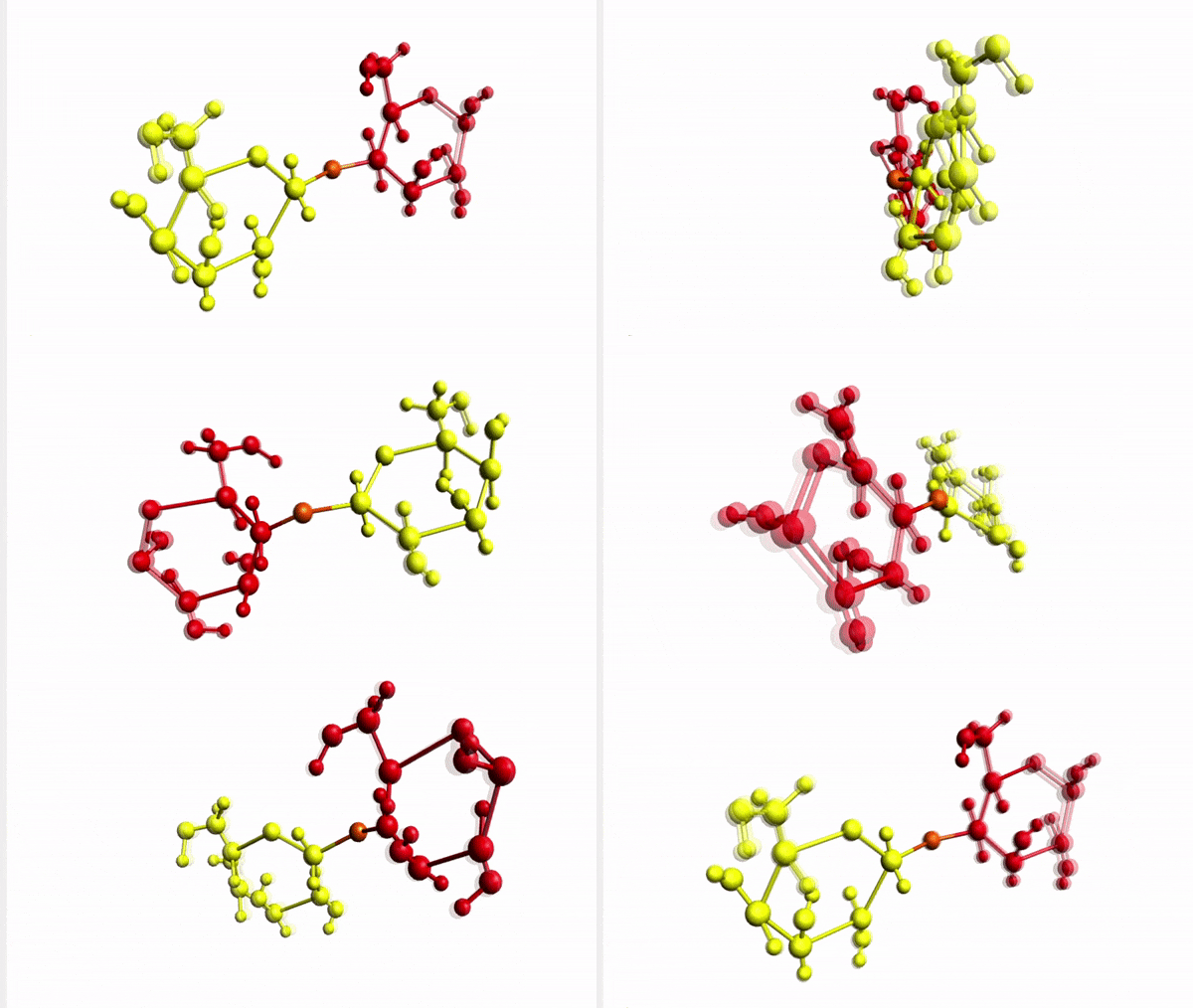
Lactose is a reducing sugar composed of one molecule of D-galactose and one molecule of D-glucose joined by a β-1,4-glycosidic bond (the bond from the anomeric carbon of the first monosaccharide unit being directed upward). The two monosaccharides are obtained from lactose by acid hydrolysis or the catalytic action of the enzyme lactase.
ROLE IN METABOLISM
Infant mammals nurse on their mothers to drink milk, which is rich in lactose. The intestinal villi secrete the enzyme lactase (β-D-galactosidase) to digest it. This enzyme cleaves the lactose molecule into its two subunits, the simple sugars glucose and galactose, which can be absorbed. Since lactose occurs mostly in milk, in most mammals, the production of lactase gradually decreases with maturity due to a lack of continuing consumption.
LEGEND
YELLOW - Galactose
RED - Glucose
ORANGE - Glycosidic bond
MALTOSE
Maltose which is also known as malt is a disaccharide made up of two alpha D glucose units. The two-unit of glucose are linked with an alpha 1,4 glycosidic bond. In the small intestinal lining in humans, the enzyme maltase and isomaltase break down the molecules of maltose into two glucose molecule, which is then absorbed by the body. Starch is the most abundant polysaccharide in plant cells after cellulose.
STRUCTURE
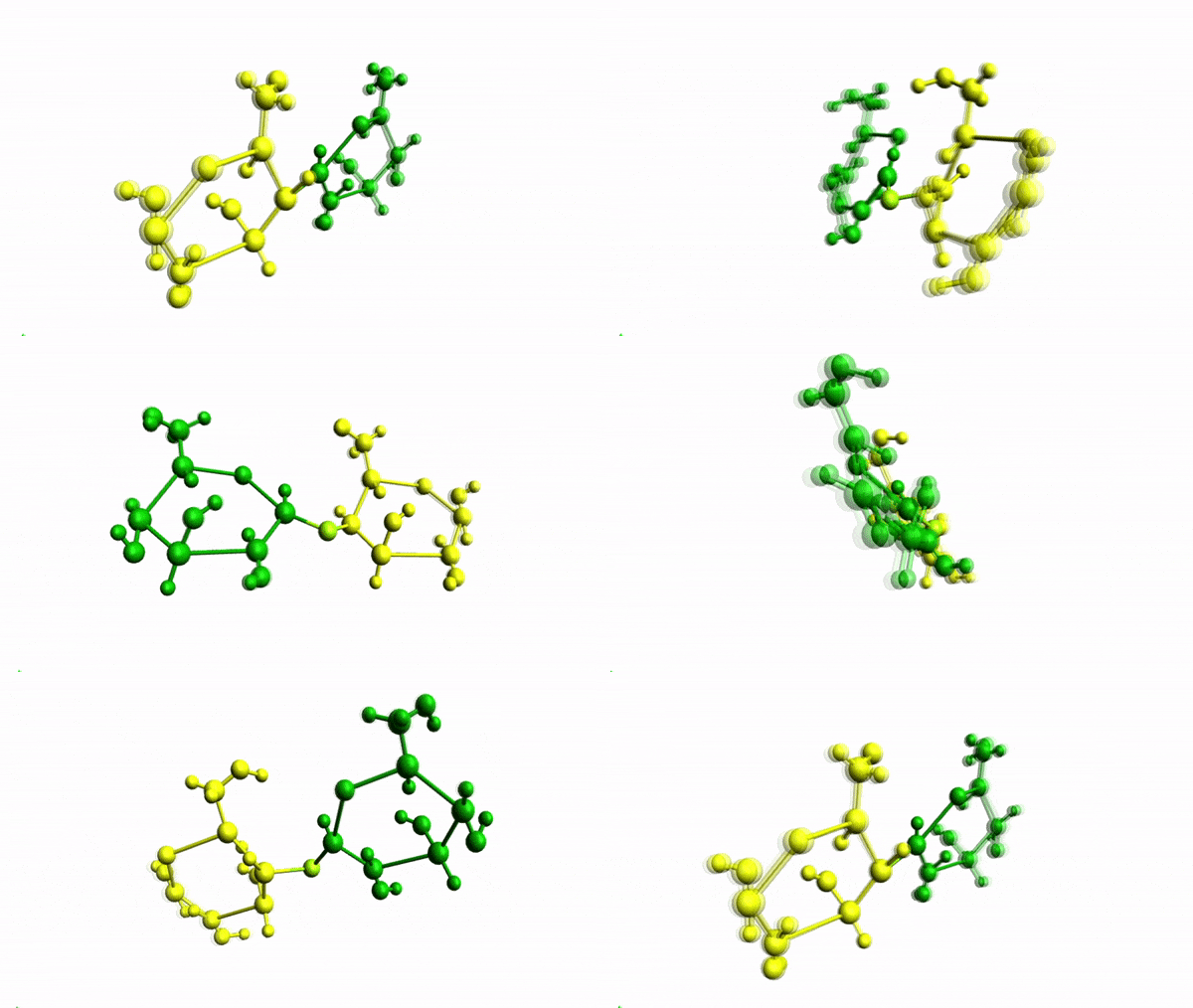
Maltose is a disaccharide made up of two alpha D glucose in which C1 of the first glucose unit is bonded to C4 of the second glucose unit as shown figure below. The bond that joined two alpha glucose units is called alpha 1,4 glycosidic linkage.
ROLE IN METABOLISM
More importantly, is the role maltose plays in digestion. Most plant starches are made up of repeating glucose units attached one after another, called amylose. Amylose can have hundreds of glucose units, and as such, it is too large for our small intestines to absorb in order to use the glucose for energy. Our body has an enzyme called amylase that can break the glucose-glucose bonds. The amylase can either break the starch into individual glucose units or into the disaccharide maltose. Our body can absorb maltose, which can later be broken into individual glucose molecules and then be used as energy.
LEGEND
GREEN - Glucose 1
YELLOW - Glucose 2
YELLOW GREEN - Glycosidic bond